
Introduction
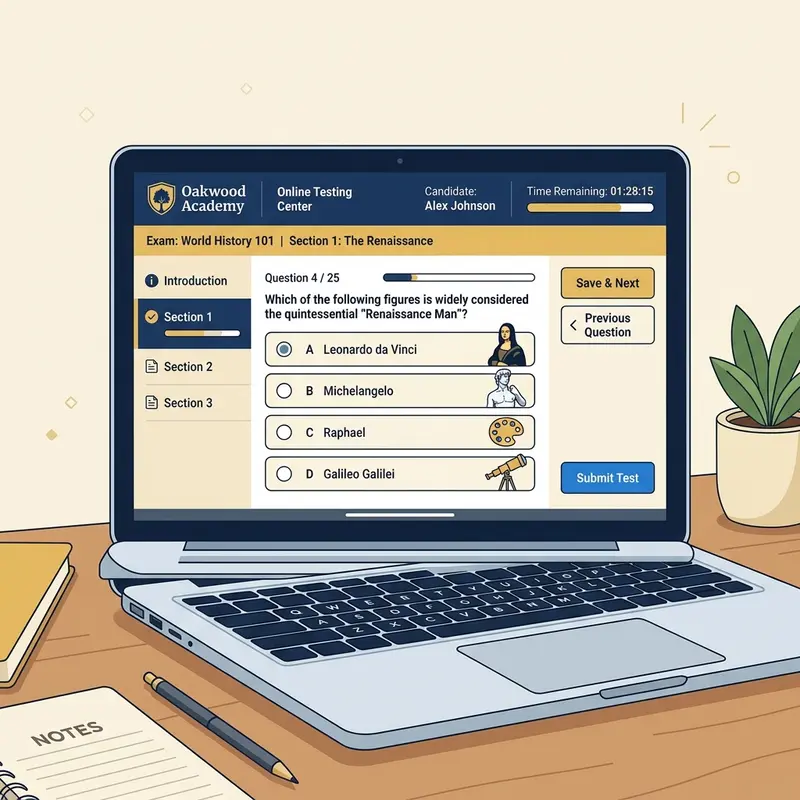
High school students preparing for college admissions face a gauntlet of standardized tests. In addition to AP exams, most students must decide whether to take the SAT or the ACT. The standardized testing landscape has shifted dramatically in recent years, with the College Board completing its transition to the **Digital SAT** in 2024, featuring a multi-stage adaptive testing model.
Many students ask: How do these aptitude tests compare to subject-specific AP exams? Does a high AP score predict a high SAT score? What are the key differences in how these exams are structured and scored? In this guide, we analyze the core differences between the Digital SAT, the ACT, and AP exams, helping you construct a balanced prep timeline.
1. Curricular Mastery vs. Aptitude & Reasoning
The fundamental difference between AP exams and the SAT/ACT lies in what they are designed to measure:
- AP Exams (Curricular Mastery): AP exams measure how well you have learned college-level course material. They evaluate specific historical periods, biological pathways, chemistry formulas, and calculus theorems. The questions are knowledge-rich and require deep subject-matter expertise.
- SAT and ACT (Aptitude & Reasoning): The SAT and ACT measure general reasoning, critical reading, writing, and math skills. They do not require specialized knowledge. You do not need to memorize historical dates or specific science facts to score high; instead, you must quickly analyze passages, identify grammar errors, and solve high-school level algebra, geometry, and trigonometry questions.
"AP exams are content-heavy tests of endurance, whereas the Digital SAT is a highly refined assessment of conceptual accuracy and speed under adaptive pressure." - Curriculum Advisory Board Review
2. The Digital SAT's Multi-Stage Adaptive Engine
Unlike traditional pencil-and-paper AP exams, the Digital SAT uses a **computer-adaptive testing** format. The exam is divided into two modules for Reading & Writing, and two modules for Math:
- Module 1 (Routing Module): Contains a mix of easy, medium, and hard questions. The testing software monitors your accuracy on this module.
- Module 2 (Adaptive Module): If you score high on Module 1, the software routes you to a harder version of Module 2. If you make several mistakes, you are routed to an easier version of Module 2.
- Scoring Impact: Crucially, to earn scores in the upper ranges (e.g., 700 to 800), you must qualify for the harder Module 2. Earning a perfect score on the easier Module 2 is capped, preventing you from reaching a high overall score. This makes accuracy on the routing module essential.
3. The ACT: Speed and Content Volume
While the Digital SAT has transitioned to shorter, adaptive passages, the ACT remains a traditional paper-or-computer linear exam known for its time pressure.
The ACT features four sections: English, Math, Reading, and a unique **Science** section. It is important to note that the ACT Science section does not test detailed science facts; instead, it evaluates your ability to read scientific tables, interpret charts, and evaluate experimental designs—skills that are identical to those required on the AP Biology and AP Chemistry exams.
4. Comparative Summary of Exam Formats
Below is a breakdown comparing the core structural features of these exams:
| Feature | AP Exams | Digital SAT | ACT |
|---|---|---|---|
| Format | Linear (Paper/Digital) | Multi-Stage Adaptive (Digital) | Linear (Paper/Digital Option) |
| Scoring Scale | 1 to 5 | 400 to 1600 | 1 to 36 |
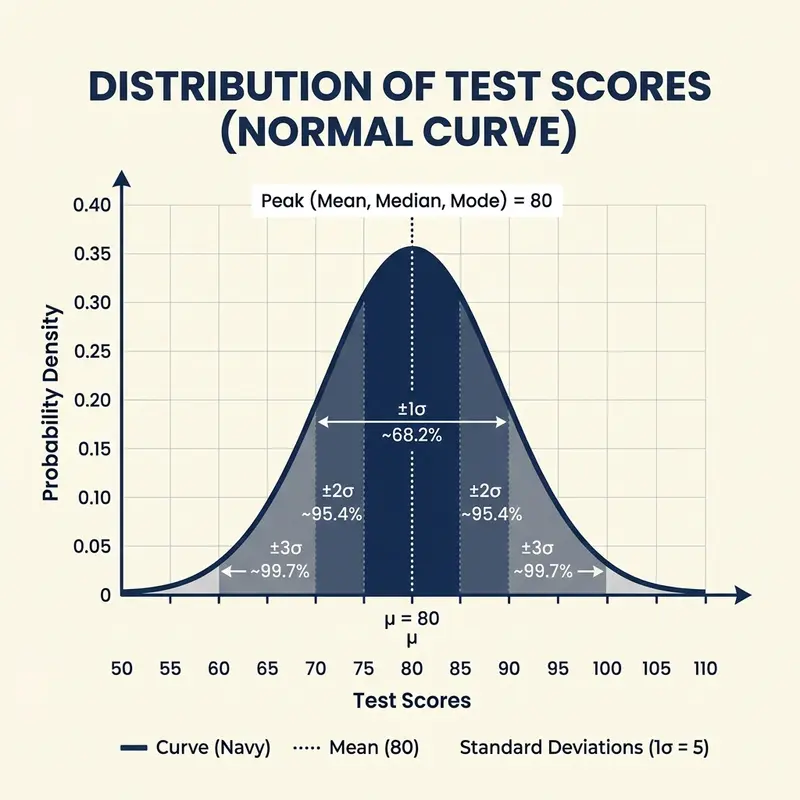
| Time Constraints | Moderate (90-180 minutes) | Comfortable (~1.2 minutes/question) | Very Tight (36-60 seconds/question) |
| Science Section? | Yes (Specific tests) | No | Yes (Graph interpretation) |
5. Strategic Testing Timeline for High School Students
To balance your AP and SAT/ACT preparation, follow this strategic calendar:
- Sophomore Year: Focus on building GPA and take 1-2 introductory AP courses (like AP Psychology or AP World History). Take a diagnostic PSAT.
- Junior Year (Fall): Take the PSAT/NMSQT to qualify for National Merit Scholarships. Begin preparing for the SAT or ACT.
- Junior Year (Winter/Spring): Sit for your first official SAT or ACT. Focus heavily on AP exam prep in March and April to prepare for the May AP test week.
- Junior Year (Summer): If you need to raise your SAT/ACT score, use June and July for intensive practice. Take your second official test in August or September.
- Senior Year (Fall): Finalize early action and regular decision college applications. Send official test scores to registrars.
Conclusion
Success on the AP exams and the SAT/ACT requires different preparation strategies. By understanding how the adaptive Digital SAT routes your scoring modules and how the linear ACT tests your pacing, you can build a more effective study calendar.
- College Board Digital SAT Suite Specifications
- ACT Technical Data Manual and Standardized Score Comparison Guides.
- National Association for College Admission Counseling (NACAC) Annual Admission Trends Reports.